Ferredoxin types and subtypes
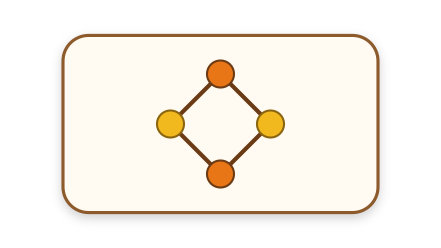
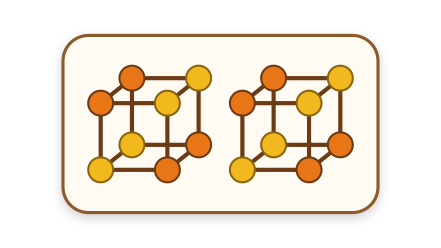
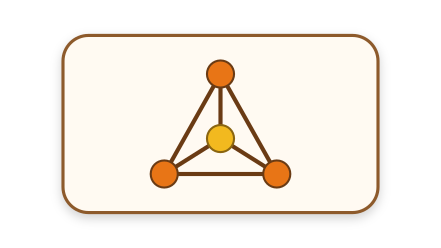
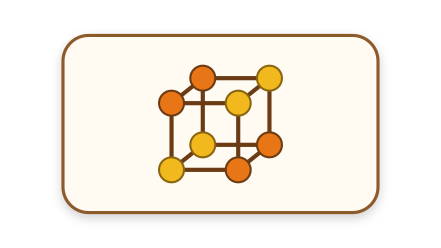
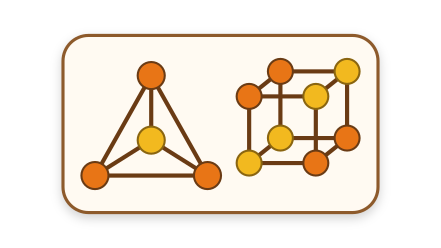
Ferredoxins (FDXs) are iron–sulfur electron-transfer proteins classified primarily according to the number and composition of their Fe–S clusters. The principal FDX types include single-cluster [2Fe–2S], [3Fe–4S], and [4Fe–4S] proteins, as well as dicluster 7Fe–8S FDXs containing one [3Fe–4S] and one [4Fe–4S] cluster, 2[4Fe–4S] FDXs containing two [4Fe–4S] clusters, and the distinct Allochromatium vinosum-like 2[4Fe–4S]Alv type. Because cluster-based classification alone does not represent the substantial sequence diversity within each type, we proposed dividing FDX types into subtypes based on the characteristic spacing between cluster-ligating cysteine residues in the Fe–S-binding motif. Ferredoxins with the same cysteine-spacing signature are assigned to the same subtype and designated by the cluster type followed by “ST” and a subtype number, for example, 2Fe–2SST1 or 4Fe–4SST2. This two-level classification distinguishes the physicochemical type of the Fe–S centre from variation in its surrounding ligand-binding motif, thereby providing a sequence-based framework for comparing FDX diversity and evolutionary distribution across organisms despite limited overall sequence conservation.
Frequently Asked Questions
Here are the questions we are most often asked regarding the FDXAtlas:
-
How to cite this website?
Please cite the following reference: Malinga N, Śmieja P., Gront D. and Syed K. "The online FDX resource"